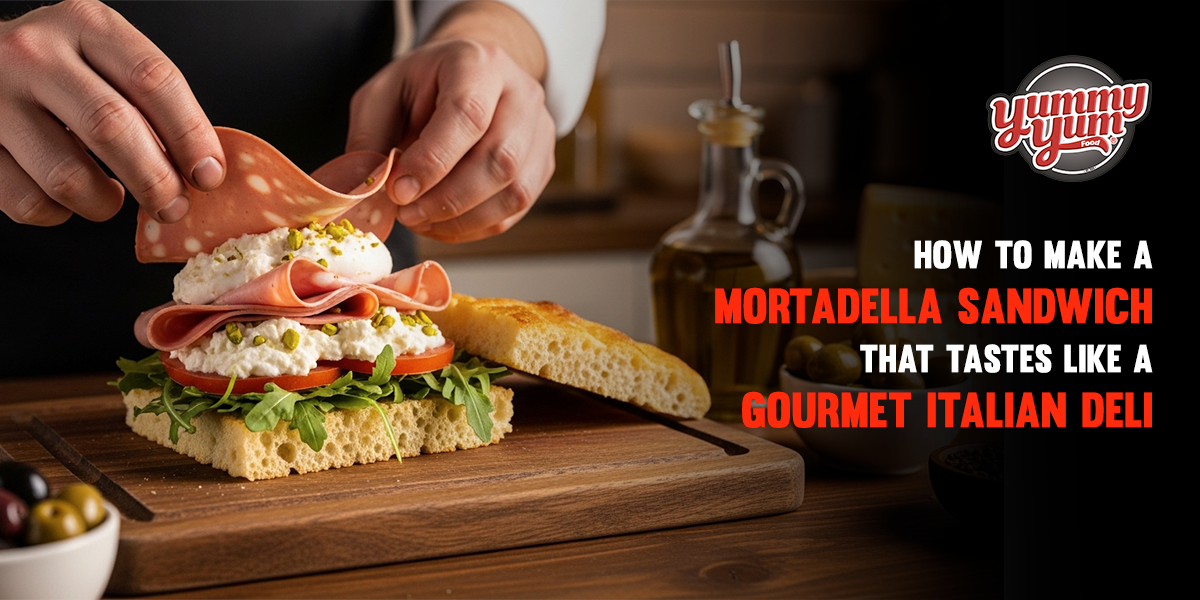
How to Make a Mortadella Sandwich That Tastes Like a Gourmet Italian Deli

How to Make a Mortadella Sandwich That Tastes Like a Gourmet Italian Deli

How to Make a Mortadella Sandwich That Tastes Like a Gourmet Italian Deli

How to Make a Mortadella Sandwich That Tastes Like a Gourmet Italian Deli

Mortadella sandwiches have long been a favorite in Italian delis, known for their delicate, savory flavor and melt-in-your-mouth texture. A well-crafted mortadella sandwich can rival even the most authentic Italian deli experience. From the classic, famous mortadella sandwich of Bologna to contemporary gourmet twists, these sandwiches offer endless versatility.

Whether you are packing lunch for work, enjoying a picnic, or making a quick meal at home, mortadella sandwiches provide a delicious and convenient solution. Variations like the mortadella pistachio sandwich or a hearty beef mortadella sandwich add unique flavors to your everyday meals.

For the best experience, sourcing quality mortadella sandwich meat is essential. Trusted brands like Yummy Yum Food offer fresh, premium options that help recreate that authentic Italian deli taste at home. In this guide, you will learn step by step how to make a mortadella sandwich that tastes as if it came straight from Italy.

What Are Mortadella Sandwiches?

A mortadella sandwich is made using thinly sliced Italian mortadella, often paired with complementary ingredients on fresh bread. Mortadella is a finely ground, cured meat traditionally made from pork, but beef varieties are also popular.

Mortadella sandwich meat comes in several varieties, including traditional, pistachio-studded, and beef. Each variation brings a slightly different texture and flavor profile. The famous mortadella sandwich from Bologna often features simple ingredients like mortadella, fresh bread, and a drizzle of olive oil, showcasing the meat’s delicate taste.

Unlike commercial prepackaged sandwiches, an authentic mortadella sandwich focuses on high-quality ingredients and thoughtful layering. Using quality sources like Yummy Yum Food ensures fresh, flavorful slices that are perfect for sandwiches, wraps, or charcuterie boards.

Common Problems When Making Mortadella Sandwiches

Even the best ingredients can be undermined by common mistakes. Many sandwich makers struggle with bread selection, often choosing types that become soggy or too dense. Overloading your sandwich with cheese, vegetables, or condiments can overpower the subtle flavor of mortadella.

Cutting the meat too thick or unevenly can also affect the texture and presentation. Without proper seasoning, even premium mortadella sandwich meat can taste bland. Additionally, sourcing the best ingredients locally can be challenging, leaving many unsure of where to buy the freshest or most flavorful mortadella slices.

Solutions: How to Make a Mortadella Sandwich Like a Pro

Step 1: Choose the Best Bread

Selecting the best bread for a mortadella sandwich is critical. Classic choices include ciabatta, baguettes, or soft Italian rolls. Lightly toasting the bread enhances texture and helps absorb moisture without making the sandwich soggy.

Step 2: Select Quality Mortadella Meat

Use premium, thinly sliced mortadella sandwich meat from a trusted supplier, such as Yummy Yum Food. For a gourmet experience, try a mortadella pistachio sandwich for subtle nutty notes, or a beef mortadella sandwich for a richer flavor. Quality meat ensures authentic taste and optimal texture.

Step 3: Layer Ingredients Properly

Start with a light spread of butter or mayonnaise for moisture. Add mild cheese such as provolone or mozzarella to complement the mortadella without overpowering it. Arrange the slices evenly, avoiding overcrowding, to maintain a delicate, melt-in-your-mouth consistency. Include fresh vegetables like arugula or tomato for a crisp contrast, and optional condiments to enhance flavor balance.

Step 4: Season and Serve

Finish with a sprinkle of black pepper, a dash of olive oil, or a touch of mustard to elevate the taste. Cut the sandwich diagonally for better presentation and serve immediately to enjoy the best flavor and texture.

Benefits of Mortadella Sandwiches

Mortadella sandwiches offer a perfect combination of flavor, convenience, and nutrition. The meat is high in protein and packed with savory notes, making it ideal for quick meals. They are incredibly easy to prepare and suitable for home, office, or outdoor settings.

The versatility of mortadella sandwiches allows them to be paired with cheeses, fresh vegetables, and artisan bread. Gourmet variations like the mortadella pistachio sandwich can transform an ordinary lunch into an elevated culinary experience. At the same time, these sandwiches remain affordable, offering gourmet-quality meals without the restaurant price tag.

Creative Variations of Mortadella Sandwiches

For those looking to explore beyond the classic recipe, several variations can add excitement:

  • Mortadella Pistachio Sandwich: Pistachio-studded mortadella, paired with fresh arugula and provolone, delivers a gourmet flavor.

  • Beef Mortadella Sandwich: Rich beef mortadella works well with spicy mustard, pickles, and hearty bread.

  • Classic Italian Deli Sandwich: Mortadella, fresh cheese, lettuce, tomato, and a light spread of mayonnaise on ciabatta.

  • Gourmet Veggie Twist: Add roasted peppers, arugula, and a drizzle of truffle oil for an elevated take on a classic.

These creative options allow you to tailor your mortadella sandwich to any occasion, from casual lunches to gourmet dinners.

Tips for the Perfect Mortadella Sandwich

Achieving a perfect mortadella sandwich is about balancing ingredients and technique. Always start with fresh, high-quality bread, which complements the delicate meat. Thinly slice the mortadella for a tender texture that melts in the mouth.

Avoid excessive toppings; the meat’s flavor should remain the star. Room-temperature meat enhances the aromatic qualities and taste. Use condiments sparingly to let the mortadella’s natural flavor shine through.

Why Yummy Yum Food Is the Go-To for Mortadella Sandwich Meat

Yummy Yum Food offers a wide selection of high-quality mortadella, including traditional, pistachio-studded, and beef varieties. Each product is carefully crafted to ensure consistent freshness, perfect texture, and authentic flavor, making it ideal for creating gourmet mortadella sandwiches at home.

Their mortadella is sourced from trusted suppliers and processed under strict quality control standards. This attention to detail guarantees that every slice delivers the delicate, melt-in-your-mouth experience you expect from a true Italian deli sandwich.

Home cooks, deli enthusiasts, and professional chefs alike rely on Yummy Yum Food because their products allow you to recreate famous mortadella sandwiches, such as the renowned Bologna-style mortadella sandwich, without compromising on quality. Their offerings are perfect for sandwiches, wraps, charcuterie boards, and quick protein-rich snacks.

In addition to quality, Yummy Yum Food focuses on convenience. Their mortadella is pre-sliced to an ideal thickness for sandwiches, saving time in meal prep. Packaging extends shelf life while maintaining freshness, making it easy to store at home.

Moreover, Yummy Yum Food is committed to transparency. Every product includes clear ingredient labeling, nutritional information, and allergen warnings, giving you confidence in what you’re serving your family or guests.

Whether you are preparing a simple lunch, a gourmet picnic, or entertaining friends, Yummy Yum Food ensures that your mortadella sandwiches taste authentic, delicious, and consistent every time. Their dedication to premium ingredients, freshness, and customer satisfaction makes them the reliable choice for mortadella sandwich meat worldwide.

Conclusion

Creating a mortadella sandwich that tastes like a gourmet Italian deli is achievable with quality ingredients, proper technique, and attention to detail. Focusing on fresh bread, thinly sliced mortadella, and balanced toppings ensures a flavorful experience every time.

Experiment with variations, such as the mortadella pistachio sandwich or the beef mortadella sandwich, to add a personal gourmet touch. Visit Yummy Yum Food today to purchase premium mortadella sandwich meat and start crafting your own authentic Italian deli sandwiches at home.

Frequently Asked Questions (FAQ)

Q1: What is the best mortadella sandwich?

  • A thinly sliced mortadella with quality cheese, fresh bread, and balanced condiments is considered the best.

Q2: How do I make a mortadella pistachio sandwich?

  • Use pistachio mortadella, layer with mild cheese and arugula, and drizzle lightly with olive oil.

Q3: Can I use beef mortadella for sandwiches?

  • Yes. Beef mortadella adds a richer, more robust flavor, making it suitable for hearty sandwiches.

Q4: What bread works best for a mortadella sandwich?

  • Ciabatta, baguette, or soft Italian rolls, lightly toasted, offer the best texture and flavor.

Q5: Where can I buy quality mortadella sandwich meat?

  • Trusted suppliers like Yummy Yum Food provide fresh, premium mortadella online, perfect for gourmet sandwiches.
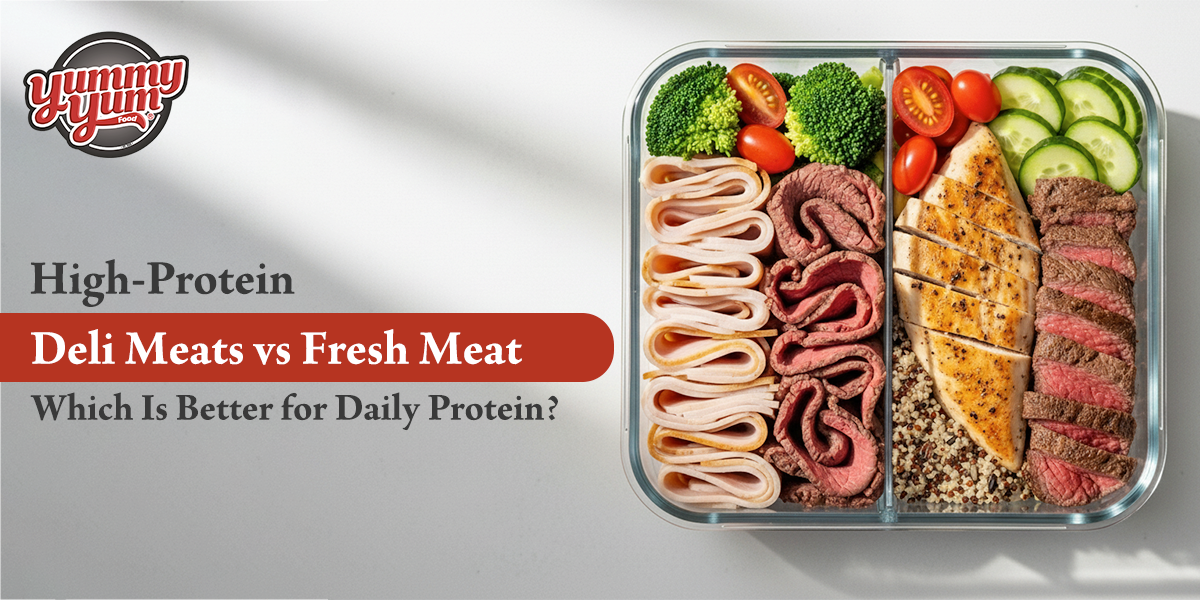

High-Protein Deli Meats vs Fresh Meat: Which Is Better for Daily Protein?

High-Protein Deli Meats vs Fresh Meat: Which Is Better for Daily Protein?

High-Protein Deli Meats vs Fresh Meat: Which Is Better for Daily Protein?

High-Protein Deli Meats vs Fresh Meat: Which Is Better for Daily Protein?

High-protein diets are essential for supporting muscle growth, enhancing metabolism, and sustaining energy throughout the day. For many health-conscious individuals, the question arises: Should daily protein come from high-protein deli meats or fresh meats like chicken, beef, or turkey? While deli meats offer convenience, portability, and consistent portion sizes, fresh meats are naturally nutrient-dense and free of preservatives.

Consumers are often confused about which option fits best into a balanced diet, especially when shopping for healthy deli meat. Trusted suppliers such as Yummy Yum Food have made it easier to access high-quality, protein-rich deli options that complement fresh meat consumption. This comprehensive guide will help you understand the differences, benefits, and practical strategies for effectively meeting your daily protein goals.

What Are High-Protein Deli Meats?

High-protein deli meats are processed or sliced meat products designed to deliver a higher amount of protein content per serving than regular deli cuts. These include options like turkey breast, lean roast beef, and chicken breast slices, often labeled as low-fat or low-sodium. Unlike conventional deli meats, which can contain excessive fat, sugar, or fillers, high-protein deli meats prioritize protein content while minimizing unnecessary additives.

Many of these products are portion-controlled, making them ideal for sandwiches, wraps, salad bowls, and quick on-the-go meals. The convenience of these deli meats is unmatched, especially for busy professionals, students, or families. Brands like Yummy Yum Food focus on producing clean, healthy deli meat options that maintain flavor, texture, and protein content without compromising nutritional integrity.

What Is Fresh Meat?

Fresh meat refers to unprocessed, uncooked cuts of chicken, beef, turkey, or pork that have not been sliced, seasoned, or treated with preservatives. Fresh meat is highly nutrient-dense and offers a full profile of essential vitamins and minerals, including iron, zinc, and B vitamins, which are critical for energy, immune function, and overall health. The protein content in fresh meat varies by cut and fat content, with lean cuts like chicken breast or beef tenderloin providing the highest concentration.

Preparing fresh meat allows for flexibility in cooking methods, including grilling, roasting, stir-frying, or slow cooking. Unlike deli meats, fresh cuts require careful handling, storage, and preparation to avoid spoilage, but they provide superior flavor and nutrient retention. Using fresh meat as the primary protein source allows for customization of seasoning, portion sizes, and cooking techniques.

Protein Comparison: High-Protein Deli Meats vs Fresh Meat

When evaluating protein content, both high-protein deli meats and fresh meats provide ample protein to meet daily requirements. For instance, turkey breast deli meat offers 20–24 g of protein per 100 g, while fresh chicken breast provides 21–23 g per 100 g. Lean roast beef slices contain approximately 22 g of protein, while a fresh beef steak ranges between 22 and 26 g. Even low-sodium ham, a common deli option, provides 16–18 g per 100 g. While fresh meat typically retains more of its natural micronutrients, high-protein deli meats excel in convenience, portability, and precise portion control.

Choosing between the two often comes down to lifestyle and meal planning. Deli meats are perfect for ready-to-eat meals, office lunches, or travel-friendly snacks, whereas fresh meat shines in home-cooked meals where flavor, nutrient retention, and versatility are priorities.

Protein Per 100g

  • Turkey breast (deli meat): 20–24g protein

  • Chicken breast (fresh): 21–23g protein

  • Lean roast beef (deli): 22g protein

  • Beef steak (fresh): 22–26g protein

  • Lean ham (deli): 16–18g protein

Benefits of High-Protein Deli Meats

High-protein deli meats provide unmatched convenience for busy lifestyles. They are pre-sliced, ready-to-eat, and offer consistent nutritional information per serving, which helps with accurate tracking of daily protein intake. Portion control is straightforward since each slice or serving contains a predictable amount of protein, making it easier to meet fitness or dietary goals.

These deli meats are highly versatile and can be used in sandwiches, wraps, salads, and snack rolls, or paired with whole grains and vegetables for complete meals. With a variety of options available, ranging from low-fat, smoked, and spicy slices of lean roast beef to high-protein deli meats, they cater to diverse taste preferences without sacrificing nutritional value. They are particularly beneficial for individuals who need a protein-rich meal or snack without the time or effort required to prepare fresh meat daily.

Key Benefits

  • Quick protein boost for on-the-go meals.

  • Consistent and predictable protein content per serving.

  • Longer shelf life compared to fresh meat.

  • Versatile for sandwiches, wraps, salads, or snacks.

Benefits of Fresh Meat

Fresh meat provides high-quality protein and a wide array of essential nutrients that support overall health. Lean cuts are rich in protein while remaining low in fat, and the absence of preservatives ensures a natural, wholesome eating experience. Fresh meat offers flexibility in cooking styles, including grilling, roasting, sautéing, and slow cooking.

It also provides better flavor retention and the ability to season and portion meals to taste. Fresh high-protein meat is ideal for home cooks aiming to maximize nutrient intake and for those who enjoy customizing dishes for a balanced, protein-focused diet. When combined with vegetables, grains, and healthy fats, fresh meat can be a cornerstone of a nutrient-rich, well-rounded eating plan.

Common Problems & Pain Points

High-protein deli meats, while convenient, often contain elevated levels of sodium and, in some cases, preservatives such as nitrates or nitrites. Overprocessed products can reduce nutritional quality and may include unwanted fillers or flavor enhancers. Fresh meat, although nutrient-rich, requires significant preparation time, careful storage to prevent spoilage, and precise cooking to ensure safety and taste.

Portion control can also be more challenging with fresh cuts unless weighed or measured carefully. Choosing high-quality brands and balancing deli meats with fresh meat can help overcome these challenges, ensuring daily protein goals are met efficiently and healthily.

Solutions: Choosing the Best Protein Source

When selecting high-protein deli meats, it is crucial to check the protein per serving, opt for low-sodium, preservative-free options, and purchase from trusted brands such as Yummy Yum Food.

Moderation is key: incorporate deli meats alongside fresh protein sources to ensure a diverse nutrient profile. Fresh meat selections should focus on lean cuts like chicken breast, turkey, or beef tenderloin, cooked safely and stored properly. Proper meal planning can allow both deli and fresh meat to coexist in a diet, offering convenience, variety, and nutritional balance.

Tips for High-Protein Deli Meats

  • Check protein per serving on nutrition labels.

  • Choose low-sodium and preservative-free options.

  • Buy from trusted brands like Yummy Yum Food.

  • Use in moderation alongside fresh foods.

Practical Daily Protein Planning

Combining deli meats and fresh meats allows for flexibility throughout the day. For example, scrambled eggs with turkey slices can provide a quick breakfast, a grilled chicken salad can serve as a nutrient-dense lunch, and a lean beef steak can make an ideal dinner.

Snacks can include lean deli meat roll-ups or wraps with vegetables for extra fiber. Incorporating plant-based protein sources, such as beans or tofu, adds variety and ensures a balanced intake of essential amino acids. Using both deli meats and fresh meats strategically ensures convenience without sacrificing nutrient quality.

Best High-Protein Deli Meats & Brands

Look for clean, high-protein deli meats with transparent labeling and minimal additives. Trusted brands provide consistent quality, portion-controlled servings, and accurate nutrition information. Yummy Yum Food offers options like low-sodium turkey breast, lean roast beef slices, and spicy chicken breast slices. These products are convenient for on-the-go meals and maintain high protein content without compromising health. Check Yummy Yum Food product pages for full nutrition details.

Who Should Include High-Protein Deli Meats?

High-protein deli meats are perfect for busy professionals, athletes, families, and students seeking portable, ready-to-eat meals. They are particularly useful for people who need quick protein intake without cooking. Combining deli meats with fresh meat and the best meat for protein ensures a balanced diet, supporting both convenience and nutrient density. Moderation and smart selection are key to making high-protein deli meats a consistent part of a healthy lifestyle.

Conclusion

Both high-protein deli meats and fresh meat are excellent sources of protein. Deli meats provide convenience, portion control, and ready-to-eat options, while fresh meat supplies superior nutrient density, flavor, and flexibility in

Frequently Asked Questions (FAQ)

Q1: Are high-protein deli meats better than fresh meat?

  • Both are good. Deli meats are convenient and portioned; fresh meat has more nutrients. Use both for balance.

Q2: How much protein is in healthy lunch meat?

  • Around 20–24 g per 100 g for turkey or chicken, 22 g for lean roast beef.

Q3: Which is the best high-protein deli meat?

  • Low-sodium turkey breast, lean roast beef, and spicy chicken slices from trusted brands like Yummy Yum Food.

Q4: Can I eat deli meats daily safely?

  • Yes, if you choose low-sodium, preservative-free options and balance with fresh protein and veggies.

Q5: Which deli meat brands are healthiest?

  • Brands with clean ingredients and transparent labeling, like Yummy Yum Food, are the healthiest choices.

Note: Want to know more about High-Protein Deli Meats? Don’t forget to read one of our best articles on “Top High-Protein Deli Meats for Clean Eating and Balanced Diets.

Beef Sausages: Which Are Best for Grilling, Frying, or BBQ?

Beef Sausages: Which Are Best for Grilling, Frying, or BBQ?

Beef Sausages: Which Are Best for Grilling, Frying, or BBQ?

Beef Sausages: Which Are Best for Grilling, Frying, or BBQ?

The cooking method changes everything when it comes to beef sausages. The same sausage can taste juicy and rich on the grill, but dry in a pan if you choose the wrong type. Texture, fat level, casing strength, and seasoning all affect the final result.

Not all sausages perform the same over open flames or slow BBQ heat. Some hold their shape beautifully. Others split or lose moisture.

In this guide, you’ll learn how to choose the best beef sausage for grilling, frying, or BBQ. We’ll cover options like beef smoked sausage, smoked beef sausage, and smoked beef sausage, plus tips on where to buy beef sausages online safely from trusted suppliers like Yummy Yum Food.

What Are Beef Sausages?

Beef sausages are made from ground beef blended with spices, salt, and sometimes herbs. The mixture is stuffed into natural or synthetic casings. The fat content usually ranges between 15% and 25%, which affects juiciness and cooking behavior.

There are three main types:

  • Fresh sausages (raw and uncured)

  • Cured sausages

  • Smoked varieties like smoked beef sausage

Fresh sausages need full cooking. Smoked options, such as beef smoked sausage, are often precooked and only need reheating. Artisan sausages focus on quality cuts and balanced seasoning, while commercial types may include fillers.

If you want reliable taste and quality control, choose trusted suppliers like Yummy Yum Food and other reputable best beef sausage brands.

Best Beef Sausages for Grilling

Grilling uses direct heat. That means your sausage needs a firm casing and balanced fat content to prevent splitting.

High heat can cause bursting if the sausage is too lean or tightly packed. Medium-fat sausages (around 15–20%) perform best because they stay juicy without dripping too much grease onto the flame.

Top Choices for Grilling

  • Fresh coarse-ground sausages

  • Spicy beef sausage for bold BBQ flavor

  • Premium artisan sausages

  • Medium-fat content (15–20%) options

These varieties brown evenly and keep their shape on the grill grates. A well-made, the best beef sausage for grilling should feel firm but not overly tight.

Pro Tip: Grill over medium heat and turn gently to keep the casing intact.

Best Beef Sausages for Frying

Pan-frying works best with slightly thinner beef sausages. The flat surface creates a crispy outer layer while keeping the inside moist.

Frying is faster than grilling, so thinner sausages cook more evenly. Fresh sausages are ideal here because they develop a golden crust without becoming rubbery.

If you enjoy stronger flavors, a lightly seasoned spicy beef sausage works beautifully in a skillet. Just avoid very thick sausages unless you finish them in the oven.

Use moderate heat and add a small amount of oil. Overcrowding the pan can cause uneven browning.

Best Beef Sausages for BBQ

BBQ is different from grilling. It uses low, slow heat and often includes smoke. This method enhances flavor depth and tenderness.

Beef smoked sausage performs especially well in BBQ settings because it already contains smoky notes. Slow heat intensifies its richness without drying it out.

Pre-cooked sausages are safer for longer BBQ sessions, while raw thick sausages need careful temperature control.

Ideal BBQ Sausage Types

  • Smoked beef sausage

  • Thick-cut fresh sausages

  • Garlic- or herb-infused varieties

  • High-juiciness blends

These sausages absorb smoky flavor and remain tender even during extended cooking. For backyard BBQ lovers, this is often the best beef sausage category.

Benefits of Choosing the Right Beef Sausages

Selecting the right beef sausages improves more than just taste. First, you get a better texture. The casing stays intact, and the inside remains juicy. Second, cooking becomes easier. Even heat distribution reduces the risk of raw centers or burnt exteriors.

Third, presentation improves. High-quality sausages from trusted best beef sausage brands look appealing on a platter. If you plan to host events or serve guests, quality makes a visible difference.

Common Problems When Cooking Beef Sausages

Even experienced cooks make mistakes with beef sausages. Sausages can split on the grill when exposed to high flames. This causes juices to escape, leading to dryness. Overcooking is another issue. Lean sausages lose moisture quickly, especially when frying.

Uneven BBQ setups may create hot spots, leaving one side overcooked and the other underdone. Many buyers also feel confused when trying to buy beef sausages online. Without checking ingredients or reviews, it’s hard to know what you’re getting.

Solutions for Perfect Sausage Cooking

Simple adjustments can improve results dramatically.

Smart Cooking Tips

  • Use medium heat instead of high flame.

  • Turn sausages regularly

  • Avoid piercing casings

  • Choose quality suppliers like Yummy Yum Food.

  • Research before you buy beef sausages online

These small steps protect the casing and keep moisture locked inside. Quality ingredients also reduce the chance of shrinkage or bursting.

How to Choose the Best Beef Sausage Brands

Not all sausages are equal. The best beef sausage brands share a few important qualities.

Look for clear ingredient lists. Real beef should be the first ingredient. Avoid products packed with fillers or artificial flavor enhancers.

Check fat ratios. Around 18–20% fat is ideal for grilling and BBQ.

Reading reviews helps when you buy beef sausages online. Customer feedback often reveals texture and flavor details that labels do not.

For internal linking, you can connect this section to related guides like

  • “How to Store Sausages Properly”

  • “Best Side Dishes for BBQ Nights”

For external linking, consider referencing food safety temperature guidelines from official food safety authorities.

Where to Buy Beef Sausages Online

Online shopping makes it easier to access premium beef sausages.

You can compare flavors, prices, and reviews in minutes. Many stores now offer cold-chain delivery to maintain freshness.

Before you buy beef sausages online, check:

  • Packaging standards

  • Delivery time

  • Storage instructions

Suppliers like Yummy Yum Food focus on freshness and quality control, making online purchases safer and more reliable.

Who Should Choose Premium Beef Sausages?

Premium Beef Sausages are ideal for:

BBQ enthusiasts who want bold, smoky flavor.

Home cooks who care about ingredient quality.

Event hosts serving large groups.

Restaurant owners are seeking consistency.

Your cooking goal determines your choice. A thick smoked beef sausage suits long BBQ sessions. A leaner fresh sausage works better for quick frying.

Conclusion

Choosing the right beef sausages depends on how you cook them. Fresh sausages are excellent for grilling and frying. Beef smoked sausage shines at BBQs. Fat balance, casing strength, and seasoning all affect the outcome.

The right sausage delivers better flavor, better texture, and better results. If you want premium quality and dependable taste, explore trusted options from Yummy Yum Food or other reliable suppliers.

Frequently Asked Questions

Q1: Which beef sausages are best for grilling?

  • Fresh coarse-ground sausages with medium fat content work best. A quality spicy beef sausage also adds bold flavor to grilled dishes.

Q2: Is smoked beef sausage better for BBQ?

  • Yes. Smoked beef sausage already has a smoky flavor, making it perfect for low-and-slow BBQ cooking.

Q3: What is the best beef sausage for frying?

  • Thinner fresh sausages with balanced fat crisp nicely in a pan without drying out.

Q4: Can I buy beef sausages online safely?

  • Yes, if you choose reputable suppliers with proper cold-chain delivery and transparent ingredients.

Q5: Which are the best beef sausage brands?

  • Look for brands with clear labeling, balanced fat ratios, and strong customer reviews. Trusted suppliers like Yummy Yum Food are a reliable choice.

top-high-protein-deli-meats-for-clean-eating-and-balanced-diets

Top High-Protein Deli Meats for Clean Eating and Balanced Diets

top-high-protein-deli-meats-for-clean-eating-and-balanced-diets

Top High-Protein Deli Meats for Clean Eating and Balanced Diets

The demand for clean eating and balanced diets is growing fast. More people are paying attention to what they eat and how it fuels their bodies. Protein plays a key role in muscle repair, metabolism, and long-lasting energy.

Many shoppers now search for convenient, healthy lunch meat options that fit into busy schedules. But not all deli selections are created equal. Some are packed with protein, while others are high in sodium and fillers.

This guide explores the best high-protein deli meats, how to choose wisely, and how to include them in a balanced lifestyle.

What Are High-Protein Deli Meats?

High-protein deli meats are sliced or prepared meats sold at deli counters that offer a strong protein-to-calorie ratio. These meats typically come from lean cuts such as turkey breast, roast beef, or grilled chicken.

Unlike regular processed slices, high-protein options focus on leaner cuts, fewer additives, and better ingredient quality. A true high-protein deli meat usually provides 18–25 grams of protein per 100 grams.

Protein content varies by type. Turkey and chicken are often the leanest. Roast beef is also rich in protein but may contain slightly more fat depending on the cut.

When shopping for quality meat in deli sections, trusted suppliers like Yummy Yum Food focus on freshness, transparency, and balanced nutrition.

Why High-Protein Deli Meats Matter for Clean Eating

Protein supports muscle growth and recovery. It also helps maintain fullness longer, reducing unnecessary snacking throughout the day.

Including High-Protein Deli Meats in meals can support weight management and balanced blood sugar levels. They fit easily into keto, low-carb, and general healthy diets.

Another advantage is convenience. You can quickly add high-protein meat to salads, wraps, rice bowls, or whole-grain sandwiches. This makes it easier to maintain healthy habits even on busy days.

Clean eating is about making smarter choices. Choosing lean deli options instead of heavily processed meats supports that goal.

Top High-Protein Deli Meats to Choose From

Best High-Protein Deli Meat Options

  • Roasted turkey breast

  • Lean roast beef

  • Grilled chicken breast slices

  • Smoked beef varieties

  • Low-fat ham

These options are considered some of the best meats for protein in deli counters. They provide strong protein content while remaining versatile.

Turkey and chicken are often labeled as the most reliable healthy meats because of their low fat levels. Lean roast beef also qualifies as a healthy deli meat when trimmed properly.

Selecting the right high-protein option helps ensure your lunch supports your nutrition goals.

Protein Comparison of Popular Meat in Deli Counters

Turkey breast typically provides 20–24 grams of protein per 100 grams, making it one of the best high-protein choices. Roast beef offers around 22–26 grams of protein, often ranking as one of the best high-protein deli meat options for muscle building.

Chicken breast contains approximately 21–23 grams of protein, making it a lean and dependable source. Processed ham usually contains 16–20 grams of protein, but sodium levels may be higher.

Lean cuts are generally the smartest choice when selecting high-protein deli meats. The lower the fat, the better the protein-to-calorie balance.

Benefits of Choosing High-Protein Deli Meats

Key Benefits

  • Quick and convenient protein source

  • Easy portion control

  • Great for meal prep

  • Versatile in sandwiches, salads, and wraps

For busy professionals, these benefits save time without sacrificing nutrition. Parents preparing quick lunches also benefit from ready-to-use healthy lunch meat options.

High-protein deli selections reduce the need for constant cooking while still supporting balanced diets.

Common Problems with Deli Meats (Pain Points)

Despite their convenience, not all high-protein deli meats are healthy. Some contain high sodium levels, which may affect blood pressure if consumed in excess. Others include preservatives and additives to extend shelf life. Flavored meats may hide added sugars. This can reduce their value as clean eating options.

Shoppers often feel confused about which deli meat brands are trustworthy. It can also be difficult to find truly healthy deli meat in stores without reading every label carefully. Understanding these pain points helps you shop smarter.

Solutions: How to Choose the Best High-Protein Deli Meats

  • Check nutrition labels carefully

  • Choose low-sodium options

  • Avoid meats with added sugars

  • Select trusted deli meat brands

  • Buy from reliable suppliers like Yummy Yum Food

These steps make it easier to identify high-quality, high-protein meat at the deli counter.

If shopping online, always review ingredient lists and sourcing details. For more guidance, consider linking internally to your blog on “How to Read Food Labels for Clean Eating.” You may also reference trusted health organizations for protein intake guidelines to build authority. Smart choices protect your long-term health.

How High-Protein Deli Meats Fit into Balanced Diets

Balanced diets include protein, fiber, healthy fats, and complex carbohydrates. Pair high-protein deli meats with whole-grain bread or brown rice for steady energy. Add vegetables like spinach, tomatoes, and cucumbers for fiber and nutrients.

Healthy fats such as avocado or olive oil improve satiety and flavor. Portion control is also important. Even the best high-protein deli meat should be eaten in reasonable servings. Clean eating is not about restriction. It is about balance and sustainable habits.

Best Deli Meat Brands for High Protein

Reliable deli meat brands focus on ingredient transparency. They clearly list protein content, sodium levels, and sourcing information. Clean processing methods also matter. Fewer preservatives and minimal fillers indicate better quality.

Customer reviews and brand reputation can provide extra confidence. Suppliers like Yummy Yum Food emphasize freshness and nutritional balance, making them a dependable option. When selecting high-protein deli meats, brand trust is just as important as protein count.

Who Should Eat High-Protein Deli Meats?

  • Athletes benefit from extra protein to support muscle repair and recovery.

  • Weight-loss seekers use high-protein deli meat to stay full longer and reduce cravings.

  • Busy professionals appreciate quick meal options without sacrificing quality.

  • Parents rely on convenient, healthy lunch meat to prepare balanced school meals.

  • Moderation is key. Even healthy meats should fit into an overall balanced plan.

Conclusion

High-protein deli meats can play an important role in clean eating and balanced diets. Lean options provide strong protein while remaining convenient and versatile.

Quality matters more than convenience. Choosing trusted deli meat brands, reading labels, and prioritizing lean cuts improve overall health outcomes. Smart selection leads to better nutrition and sustainable habits.

Frequently Asked Questions (FAQ)

Q1: What is the best high-protein deli meat for weight loss?

Turkey breast and grilled chicken are excellent options due to their lean protein content.

Q2: Are high-protein deli meats healthy?

Yes, when chosen carefully. Look for low-sodium and minimally processed options.

Q3: How much protein is in healthy lunch meat?

Most lean deli meats contain 18–25 grams of protein per 100 grams.

Q4: What is the best meat for protein at the deli?

Lean roast beef, turkey breast, and chicken breast are top choices.

Q5: Which deli meat brands are cleanest?

Brands that focus on transparency, minimal additives, and quality sourcing are typically best.

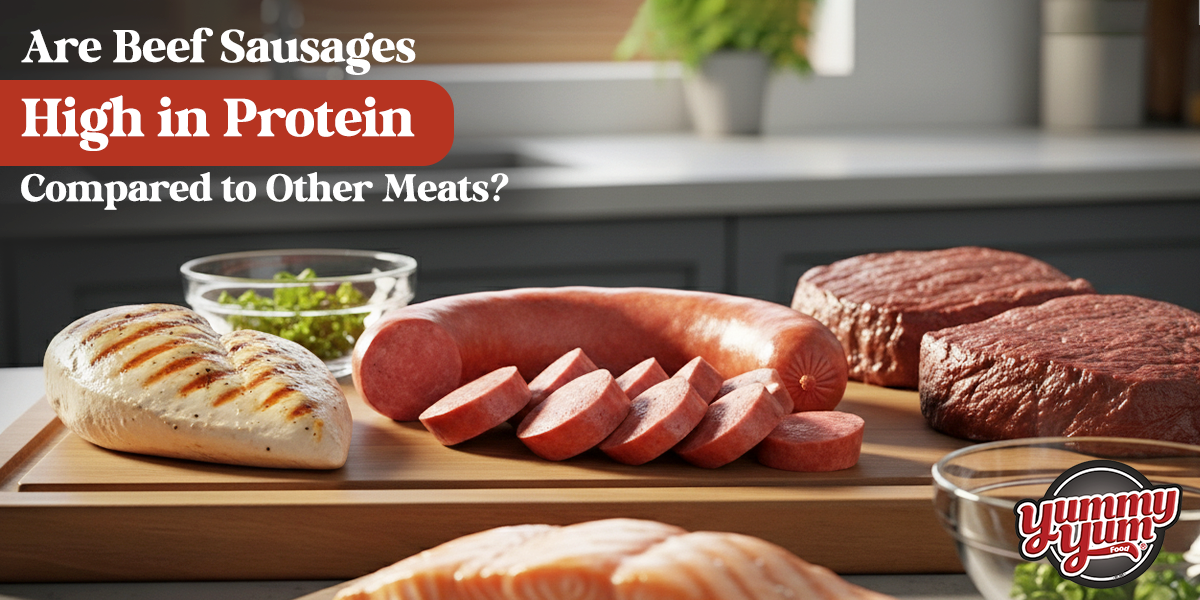
Are Beef Sausages High in Protein Compared to Other Meats?

Are Beef Sausages High in Protein Compared to Other Meats?

Are Beef Sausages High in Protein Compared to Other Meats?

Are Beef Sausages High in Protein Compared to Other Meats?

The demand for high-protein foods continues to grow as more people focus on muscle building, weight management, and overall health. Protein supports tissue repair, energy levels, and long-term wellness. Because of this, many shoppers compare different meat options before buying.

One common question is whether beef sausages are as protein-rich as steak or chicken. With popular varieties like beef smoked sausage, smoked beef sausage, and spicy beef sausage, consumers want to know if these flavorful options also deliver strong nutrition.

This guide breaks down protein levels, clearly compares meats, and helps you choose the best beef sausage for your health goals.

What Are Beef Sausages?

Beef sausages are made from ground beef blended with salt, herbs, and spices. They are stuffed into casings and sold fresh, cured, or smoked. The flavor and texture depend on the fat ratio and preparation method.

Fresh sausages require cooking before eating. In contrast, smoked beef sausage and beef smoked sausage are often pre-cooked or cured, which gives them a longer shelf life and deeper flavor. Some varieties, such as spicy beef sausage, include chili flakes or bold seasoning for extra heat.

Premium suppliers like Yummy Yum Food focus on quality meat cuts and balanced seasoning. When selecting sausages, ingredient quality plays a major role in both taste and nutrition.

Protein Content in Beef Sausages

On average, beef sausages contain between 12 and 18 grams of protein per 100 grams. However, this range can vary depending on fat content and processing.

Fresh sausages with higher lean meat ratios tend to offer more protein per serving. Smoked beef sausage may contain slightly less protein if additional fats or fillers are included during processing.

Fat content directly affects protein density. A sausage with more fat will have fewer grams of protein per 100 grams compared to a leaner option. That is why reading the nutrition label is essential.

Processing also plays a role. Premium or artisan products often focus on meat quality, while lower-cost versions may prioritize fillers. Choosing carefully helps ensure you get better protein value.

Protein Comparison Per 100g

  • Beef Sausages – 12–18g protein

  • Chicken breast – 20–23g protein

  • Lean beef steak – 22–26g protein

  • Pork sausage – 10–15g protein

From this comparison, chicken breast and lean steak contain more protein per serving. However, beef sausages still offer moderate to high protein, especially when lean varieties are selected.

Benefits of Beef Sausages as a Protein Source

One major advantage of beef sausages is convenience. They are easy to cook, quick to prepare, and widely available. For busy individuals, this matters.

They are also versatile. You can grill them for BBQs, slice them into pasta, or serve them with breakfast. Beef smoked sausage options are especially useful for meal prep because they store well.

Another benefit is flavor. Compared to plain chicken breast, sausages provide a richer taste, making it easier for some people to maintain a protein-focused diet.

Key Benefits

  • High protein with rich flavor

  • Versatile for multiple recipes

  • Portable and quick to prepare

  • Available in spicy and mild options

These benefits make beef sausages appealing for families, athletes, and working professionals.

Problems and Pain Points When Choosing Beef Sausages

Despite their benefits, not all beef sausages are equal. Some products contain high fat levels, which lowers protein density and increases calorie intake.

Sodium is another concern. Processed varieties, including certain smoked beef sausage options, may contain elevated salt levels for preservation.

Labels can also be confusing. When searching for the best beef sausage brands, shoppers often struggle to understand ingredient lists or protein ratios.

Buying online adds another challenge. When you buy beef sausages online, it can be difficult to assess freshness and quality without trusted reviews.

Solutions: How to Choose High-Protein Beef Sausages

  • Check the nutrition label and compare the protein-to-fat ratio.

  • Choose lean or low-fat varieties.

  • Compare ingredient lists carefully.

  • Buy from trusted suppliers like Yummy Yum Food.

  • Research the best beef sausage brands before purchasing.

These simple steps help ensure better nutritional value. When you buy beef sausages online, always check reviews, storage methods, and delivery policies. Quality matters more than price.

For more guidance on healthy meat choices, consider linking to your related blog post on storing halal meat properly. For external credibility, citing trusted health resources such as the WHO or national dietary guidelines can lend authority.

Beef Sausages vs Other Meats—Detailed Comparison

When comparing beef sausages to chicken breast, chicken clearly wins in protein density. It is leaner and contains fewer calories per gram of protein.

Compared to turkey, sausages often have more fat but a stronger flavor. Turkey may offer a slightly better protein-to-calorie ratio.

When compared to pork sausage, beef sausages generally contain more protein and have a firmer texture. This makes them a better option among processed meats.

Plant-based alternatives vary widely. Some offer similar protein content, but ingredient lists may include soy isolates or additives. In contrast, high-quality beef sausages focus primarily on meat.

The key takeaway is simple: Beef sausages can be high in protein, but nutritional value depends on the specific type and brand.

Best Beef Sausage Types for Protein Lovers

For those focused on protein, lean options are ideal. Beef smoked sausage offers extended shelf life and convenience. It works well for meal prep and outdoor cooking.

If you enjoy bold taste, spicy beef sausage delivers flavor without sacrificing protein. Just check the fat percentage before buying.

Artisan or premium products from reliable suppliers often provide better meat ratios. When you buy beef sausages online, choose platforms that clearly list nutritional details and storage practices.

Brands that emphasize transparency and ingredient quality typically deliver more consistent protein.

Who Should Eat Beef Sausages?

Athletes may benefit from beef sausages as part of a balanced meal plan. The protein supports muscle repair and recovery.

Busy professionals appreciate the convenience. A quick grilled sausage with vegetables creates a simple high-protein meal.

Families enjoy versatility. Sausages work for breakfast, lunch, or dinner, making them practical for different tastes.

Keto or low-carb dieters also find them suitable, as a wide variety contains minimal carbohydrates.

However, portion control is important. Even though beef sausages contain protein, they may also include fat. Pairing them with vegetables or whole grains creates a more balanced meal.

Frequently Asked Questions (FAQ)

Q1: Are beef sausages high in protein compared to steak?

  • Lean steak usually contains more protein per 100 grams than other cuts. However, lean sausages can still provide moderate to high protein.

Q2: Is smoked beef sausage healthy?

  • It can be part of a balanced diet if sodium and fat levels are reasonable. Always check the label.

Q3: What is the best beef sausage for muscle gain?

  • Look for high-protein, low-fat varieties with minimal fillers. Lean options are better for muscle-focused diets.

Q4: Can I buy beef sausages online safely?

  • Yes, if you purchase from trusted suppliers that use proper cold-chain delivery systems.

Q5: Which are the best beef sausage brands?

  • The best beef sausage brands focus on high-quality meat, transparent labeling, and balanced seasoning.

Note: Want to know more about Beef Sausages? Don’t forget to read one of our best articles on “What’s the Difference Between Fresh, Smoked, and Cooked Beef Sausages?

Conclusion

So, are beef sausages high in protein compared to other meats? The answer is yes, moderately to highly, depending on the type you choose.

Protein levels vary based on fat content and preparation methods. Lean varieties can compete well with other meat options, especially when quality ingredients are used.

The smartest approach is to prioritize nutrition labels, trusted suppliers, and ingredient transparency. In the end, choosing quality over price ensures better health value and better taste.

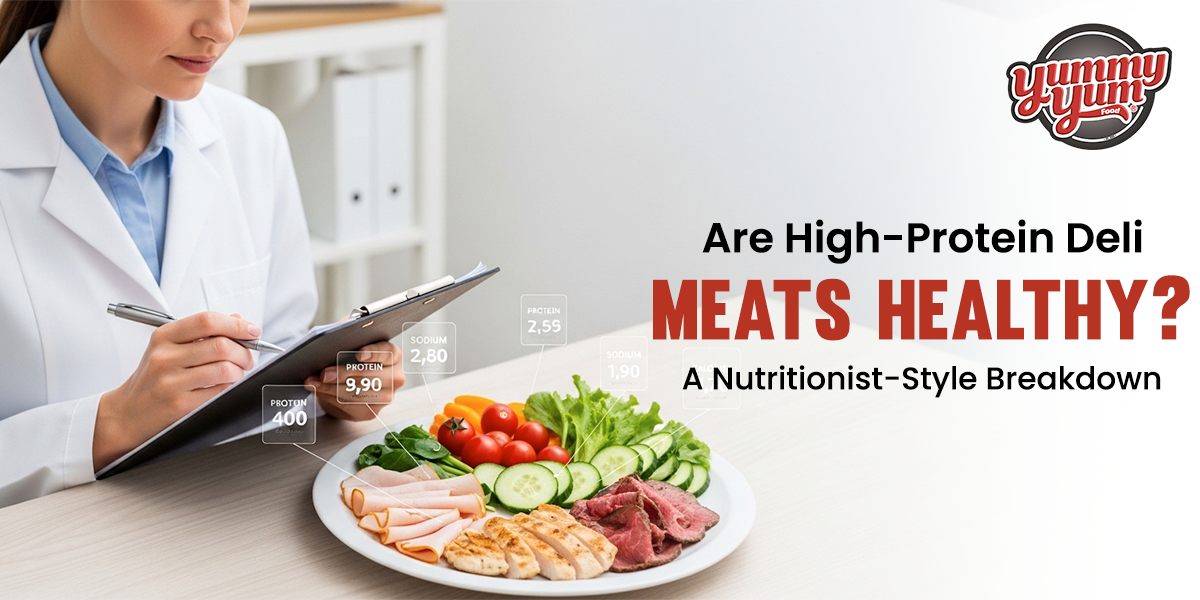
Are High-Protein Deli Meats Healthy? A Nutritionist-Style Breakdown

Are High-Protein Deli Meats Healthy? A Nutritionist-Style Breakdown

Are High-Protein Deli Meats Healthy? A Nutritionist-Style Breakdown

Are High-Protein Deli Meats Healthy? A Nutritionist-Style Breakdown

High-protein deli meats are becoming a popular choice for people who want quick, protein-rich meals. From fitness enthusiasts to busy professionals, more consumers are seeking convenient ways to boost daily protein intake without cooking from scratch.

Protein plays a major role in muscle repair, weight management, and sustained energy. That is why interest in healthy lunch meat options continues to grow. But confusion remains. Are these meats truly healthy, or just cleverly marketed processed foods?

In this nutritionist-style guide, we break down the facts. You will learn how to evaluate high-protein deli meat, what to look for on labels, and how trusted brands like Yummy Yum Food help simplify smart choices.

What Are High-Protein Deli Meats?

High-protein deli meats are sliced meats designed to deliver more protein per serving than standard processed slices. They are typically made from lean sources such as turkey, chicken breast, or lean beef.

Unlike heavily processed products, high-quality deli meats focus on lean cuts, minimal fillers, and balanced seasoning. The protein content usually ranges between 10 and 20 grams per serving, depending on portion size.

Compared to other high-protein meat sources like grilled chicken or steak, deli versions offer convenience. They require no preparation and are ready to eat. However, the nutritional value depends heavily on the brand and ingredients used.

Nutritional Breakdown of High-Protein Deli Meats

Understanding nutrition is key when choosing the best high-protein deli meat. Not all options are equal.

Protein levels are typically strong, especially in turkey- or chicken-based varieties. Lean cuts often provide high protein with lower fat.

Fat content varies. Lean poultry options tend to contain less saturated fat compared to beef-based varieties. Sodium levels, however, can be higher due to preservation methods.

Preservatives such as nitrates or nitrites may be present in some products. This is why checking labels matters.

Key Nutrients to Look For

  • 10–20 g protein per serving

  • Low saturated fat

  • Short ingredient list with minimal additives

Micronutrients like iron, zinc, and B vitamins are also commonly found in quality deli options.

Benefits of High-Protein Deli Meats

1. Muscle Support & Recovery

Protein helps repair muscle tissue after exercise. That is why athletes often look for the best meat for protein. High-protein deli meats provide a convenient way to increase daily intake without cooking.

2. Weight Management

Protein increases fullness and reduces cravings. Including high-protein deli meat in meals can help prevent unnecessary snacking.

3. Convenient & Quick Nutrition

Busy lifestyles demand fast options. Pre-sliced deli products offer immediate access to healthy meats without the need for preparation.

4. Portion-Control Friendly

Prepackaged slices help manage calorie intake. This makes it easier to control portions and stay consistent with nutrition goals.

Are High-Protein Deli Meats Considered Healthy Meats?

The answer depends on processing and ingredients. Some healthy deli meat options use minimally processed, lean cuts with reduced sodium. Others may contain high salt and additives.

Fresh-cooked poultry is usually the gold standard for whole-food nutrition. However, well-sourced, high-protein deli meats can still be considered healthy when consumed in moderation.

Transparency is key. Brands that clearly display protein levels, sodium content, and ingredient lists help consumers make informed decisions.

Common Problems with High-Protein Deli Meats

Many shoppers face challenges when choosing meat in deli sections.

  • High sodium levels in some products

  • Added preservatives such as nitrates

  • Misleading “high-protein” marketing claims

  • Difficulty identifying reliable deli meat brands

These issues create confusion between truly healthy deli meat and heavily processed alternatives.

How to Choose the Best High-Protein Deli Meat?

Smart selection makes all the difference.

What to Check on the Label

  • Protein content per serving

  • Sodium levels

  • Ingredient list length

Smart Buying Tips

  • Choose lean turkey or chicken.

  • Avoid overly processed meat in deli displays.

  • Select trusted brands like Yummy Yum Food.

Look for balance. A slightly higher price often reflects better sourcing and cleaner ingredients.

High-Protein Deli Meat vs Other High-Protein Meat Sources

Fresh grilled chicken provides excellent nutrition but requires preparation. Canned tuna is high in protein but may lack a fresh appeal. Lean beef delivers iron but often contains more fat.

Plant-based protein options are growing in popularity. However, for many consumers, traditional high-protein meat remains a practical solution. Deli meat shines in convenience. Fresh cooking wins in whole-food purity. The best choice depends on lifestyle and time availability.

Who Should Eat High-Protein Deli Meats?

High-protein deli meats can be helpful for:

  • Fitness enthusiasts building muscle

  • Busy professionals with limited cooking time

  • Students needing quick meals

  • Individuals managing weight

  • Anyone who is increasing daily protein intake.

Moderation is important. Rotating protein sources ensures nutritional balance.

Best High-Protein Deli Meat Options

Lean turkey breast is one of the most popular options. It is low in fat and high in protein. Grilled chicken slices offer a clean flavor and a high protein content. Lean roast beef provides iron and a bold taste, though sodium levels should be monitored. Low-sodium varieties are ideal for heart-conscious consumers. The best high-protein deli meat balances protein, moderate sodium, and minimal additives.

Healthy Lunch Ideas Using High-Protein Deli Meat

A protein-packed sandwich on whole-grain bread with fresh vegetables makes a balanced meal. Salad bowls topped with high-protein deli meat add lean protein without heavy calories. Lettuce wraps reduce carbohydrates while keeping protein high. Snack roll-ups using turkey slices and cheese offer quick, satisfying bites.

Best Deli Meat Brands to Consider

Reliable deli meat brands focus on quality sourcing and transparent labeling. They prioritize controlled processing and clear ingredient lists.

Yummy Yum Food stands out for:

  • Clean ingredients

  • Balanced nutrition

  • Trusted quality standards

When choosing among deli meat brands, consistency and transparency matter most.

Are High-Protein Deli Meats Safe for Daily Consumption?

From a nutritionist’s perspective, daily consumption can be acceptable if sodium intake is monitored. Balancing deli meats with fresh protein sources, such as grilled chicken or fish, helps maintain dietary diversity.

Limiting overly processed varieties reduces long-term risks. Choosing high-quality options makes regular consumption safer.

Frequently Asked Questions

Q1: Are high-protein deli meats good for weight loss?

  • Yes, if they are lean and moderate in sodium, they can support satiety and calorie control.

Q2: What is the best high-protein deli meat?

  • Lean turkey or chicken with minimal additives is often considered the best option.

Q3: Are deli meats high in sodium?

  • Some are. Always check labels before buying.

Q4: How often can I eat healthy deli meat?

  • In moderation, alongside fresh protein sources.

Q5: Which deli meat brands are healthiest?

  • Brands focusing on clean ingredients and transparency, such as Yummy Yum Food, are strong choices.

Final Verdict

High-protein deli meats can be healthy when chosen wisely. The key is checking protein levels, limiting sodium, and avoiding unnecessary additives.

They offer unmatched convenience and practical nutrition. However, balance remains essential. Combine deli options with whole foods for optimal results.

Choosing reliable brands like Yummy Yum Food simplifies the process and supports healthier eating habits.

What’s the Difference Between Fresh, Smoked, and Cooked Beef Sausages?

What’s the Difference Between Fresh, Smoked, and Cooked Beef Sausages?

What’s the Difference Between Fresh, Smoked, and Cooked Beef Sausages?

What’s the Difference Between Fresh, Smoked, and Cooked Beef Sausages?

Beef sausages are loved worldwide for their rich flavor, satisfying texture, and versatility. From breakfast plates to BBQ grills and quick snacks, they fit easily into everyday meals. In recent years, demand has grown for beef smoked sausage, spicy beef sausage, and premium-quality options made with better ingredients.

However, many buyers feel confused when choosing between fresh, smoked, and cooked beef sausages. The labels can look similar, but the taste, preparation, and storage are very different. Understanding these differences helps you choose the best beef sausage for your lifestyle, cooking time, and flavor preference.

Trusted brands like Yummy Yum Food focus on quality, transparency, and consistent taste, making it easier to buy with confidence.

What Are Beef Sausages?

Beef sausages are made from ground beef mixed with spices, herbs, and seasonings, then packed into natural or synthetic casings. The process may look simple, but small differences in fat content, seasoning balance, and processing method create very different results.

Seasoning plays a key role in defining flavor, whether mild, smoky, or spicy. Fat content affects juiciness and texture, while processing determines whether the sausage must be cooked, smoked, or eaten directly. Beef sausages are preferred by many because they offer a bold taste, a high protein content, and a satisfying bite compared to other meat options.

Types of Beef Sausages Explained

Fresh Beef Sausages

Fresh beef sausages are raw. They contain seasoned ground beef but have not been smoked or heat-treated. Because of this, they must always be fully cooked before eating and kept refrigerated.

The flavor of fresh sausages is clean and meaty, allowing spices to shine without overpowering smoke. They are ideal for grilling, pan-frying, or slow cooking at home. Many people choose fresh sausages when they want full control over cooking and texture.

Smoked Beef Sausage

A smoked beef sausage goes through a smoking process using natural wood smoke. This step adds a deep, rich aroma and extends shelf life compared to fresh sausages. Some smoked sausages are fully cooked, while others are partially cooked, depending on the brand.

Beef smoked sausage is popular among people who love bold, smoky flavors and firmer texture. It works well in sandwiches, platters, and quick pan meals. The smoking process also gives the sausage its signature color and enhanced taste.

Cooked Beef Sausages

Cooked beef sausages are fully cooked and ready to eat. They have already been heat-treated, making them safe to consume after reheating or even straight from the package, depending on instructions.

These sausages are designed for convenience. They suit busy lifestyles, quick meals, and on-the-go eating. While the flavor may be milder than smoked options, they are reliable and easy to use.

Key Differences Between Fresh, Smoked, and Cooked Beef Sausages

The biggest difference lies in processing. Fresh sausages are raw, smoked sausages are flavored with smoke, and cooked sausages are ready to eat. Flavor intensity increases from fresh to smoked, while convenience increases from fresh to cooked.

Fresh sausages need full cooking and careful storage. Smoked sausages last longer and deliver a stronger taste. Cooked sausages offer speed and safety with minimal preparation. Storage life and cooking time vary, making each type suitable for different needs.

Benefits of Each Type of Beef Sausage

Fresh beef sausages are ideal for home cooks who enjoy grilling and experimenting with flavors. They deliver juicy texture and customizable meals.

Smoked beef sausage offers a bold taste, a longer shelf life, and easy pairing with bread or sides. It is a favorite for gatherings and quick meals with a strong flavor.

Cooked beef sausages provide unmatched convenience. They save time, reduce cooking effort, and fit perfectly into fast-paced routines.

Common Problems When Choosing Beef Sausages

Many shoppers struggle with confusing labels. It is often unclear whether a sausage is fully cooked or needs preparation. Low-quality options may include excess preservatives, fillers, or artificial flavors.

Another issue is identifying the best beef sausage brands. Without clear information, buyers risk choosing products that lack flavor or quality.

How to Choose the Right Beef Sausage for You

Always read ingredient and processing labels carefully. Choose based on how much time you have to cook and the type of meal you plan to prepare. If you want a strong flavor, smoked options work well. For quick meals, cooked sausages are ideal.

Trusted brands like Yummy Yum Food simplify the process by offering clearly labelled, high-quality sausages made with clean ingredients.

Which Beef Sausage Is Best for Taste?

Taste depends on preference. Fresh sausages offer pure beef flavor. Smoked sausages deliver depth and aroma. Spicy beef sausage adds heat and excitement for bold eaters.

The best beef sausage balances seasoning, texture, and quality meat. Premium brands focus on consistency, ensuring every bite tastes the same.

Best Beef Sausage Options for Everyday Meals

Fresh sausages work well for family cooking and weekend grilling. Smoked beef sausage pairs well with sandwiches, wraps, and snack boards. Cooked sausages are perfect for breakfast, lunchboxes, and quick dinners.

Premium sourcing matters because better meat and cleaner ingredients lead to better taste and digestion.

Best Beef Sausage Brands to Consider

Brand quality affects safety, flavor, and satisfaction. Reliable brands use controlled sourcing, proper smoking methods, and consistent seasoning.

Yummy Yum Food stands out for its clean ingredients, consistent flavor, and reliable quality, making it a trusted choice for everyday consumers.

Where to Buy Beef Sausages Online

Many people now prefer buying beef sausages online for convenience and access to premium brands. Online stores offer better packaging, clear labeling, and a wider variety.

Choosing Yummy Yum Food ensures freshness, quality control, and easy ordering.

Internal linking suggestion: Link to Yummy Yum Food sausage product pages.

External linking suggestion: Food safety or meat processing educational sources.

Quick Buying Tips for Beef Sausages

  • Check labels to confirm if the sausage is fresh, smoked, or fully cooked.

  • Choose trusted brands like Yummy Yum Food for clean ingredients and quality.

Solutions for Choosing the Best Beef Sausage Every Time

Understand the sausage type before buying. Avoid heavily processed products. Balance fresh and smoked options in your meals. Always buy from reliable sellers with transparent labeling.

Conclusion

Fresh, smoked, and cooked beef sausages serve different needs. Understanding how they are processed helps you make informed choices. Quality ingredients, proper sourcing, and trusted brands matter most.

With brands like Yummy Yum Food, choosing the right sausage becomes simple and stress-free. Looking for premium beef sausages made with care and flavor?

Explore fresh, smoked, and cooked options from Yummy Yum Food and buy beef sausages online with confidence today.

Frequently Asked Questions (FAQ)

Q1: What is the main difference between fresh and smoked beef sausage?

  • Fresh sausages are raw, while smoked sausages are flavored through smoking.

Q2: Is smoked beef sausage already cooked?

  • Some are fully cooked; others are partially cooked. Always check the label.

Q3: Which beef sausage is best for quick meals?

  • Cooked beef sausages are the fastest option.

Q4: Are premium beef sausages healthier?

  • They usually contain fewer fillers and better-quality meat.

Q5: Where can I buy high-quality beef sausages online?

  • Trusted brands like Yummy Yum Food offer reliable options online.

Note: Want to know more about Beef Sausages? Don’t forget to read one of our best articles on “Are Beef Sausages Healthy to Eat Regularly? What Nutrition Experts Say

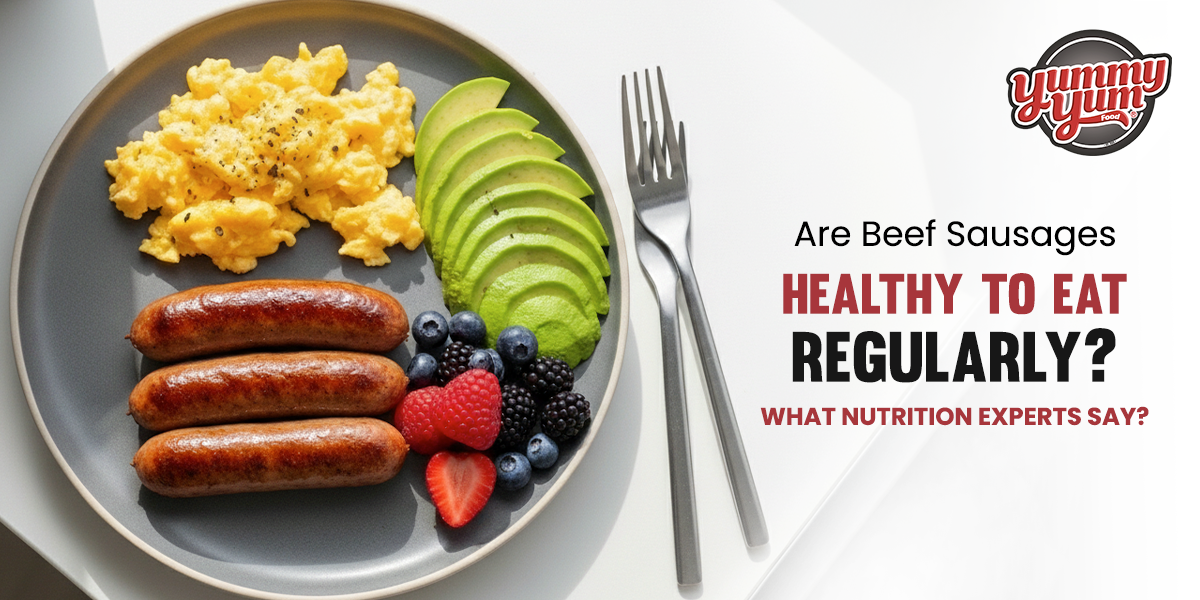
Are Beef Sausages Healthy to Eat Regularly? What Nutrition Experts Say

Are Beef Sausages Healthy to Eat Regularly? What Nutrition Experts Say

Are Beef Sausages Healthy to Eat Regularly? What Nutrition Experts Say

Are Beef Sausages Healthy to Eat Regularly? What Nutrition Experts Say

Beef sausages are enjoyed all over the world as a flavorful and filling protein option. They appear on breakfast plates, dinner tables, and BBQ grills because they are easy to cook and satisfying to eat.

In recent years, interest has grown in beef smoked sausage, spicy beef sausage, and premium-style sausages made with better ingredients. As choices increase, so do questions about health.

A common concern many people share is whether beef sausages are healthy enough to eat regularly. The answer is not simply yes or no. It depends on nutrition, ingredients, portion size, and overall diet quality.

Understanding what goes into your sausages and choosing trusted brands like Yummy Yum Food can help you enjoy beef sausages while still eating mindfully and responsibly.

What Are Beef Sausages? 

The beef sausages are made by grinding beef and mixing it with seasonings, spices, and sometimes herbs. This mixture is then placed into a casing, which can be natural or synthetic, and prepared in different ways.

There are several common types available in the market today. Fresh beef sausages are raw and must be fully cooked before eating. Smoked beef sausage is slowly smoked, giving it a deeper flavor and a longer shelf life. Beef smoked sausage may be partially or fully cooked during the smoking process.

Compared to pork or chicken sausages, beef sausages are often preferred for their richer taste, firmer texture, and higher iron content. Many people also choose beef sausages for dietary or cultural reasons.

Nutritional Profile of Beef Sausages

From a nutrition standpoint, beef sausages can provide valuable nutrients when made with quality ingredients. They typically contain calories, protein, and fat in varying amounts depending on how they are prepared. Protein plays a key role in muscle repair, strength, and daily energy levels, making beef sausages appealing to active individuals.

Beef sausages naturally supply important nutrients such as iron, zinc, and vitamin B12. These nutrients support oxygen transport, immune function, and brain health.

Nutrition levels can change significantly based on processing method, added ingredients, and portion size. Premium sausages with higher beef content tend to offer better nutritional value than highly processed alternatives.

Health Benefits of Eating Beef Sausages

When eaten thoughtfully, beef sausages can support a balanced diet.

They are a high-quality protein source that helps maintain muscle mass and supports recovery after physical activity. The fat content also contributes to satiety, helping people feel full for longer periods.

High-quality beef sausages often provide better nutritional outcomes because they rely on real meat instead of fillers. This leads to more satisfying meals without needing large portions.

Benefits of premium beef sausages include:

  • Better protein absorption

  • Richer beef flavor without unnecessary fillers

  • More satisfying meals with smaller portions

Choosing quality over quantity makes a noticeable difference.

Are Beef Sausages Healthy to Eat Regularly? 

Nutrition experts generally agree that moderation and quality are the most important factors. Beef sausages can be part of a regular eating routine when portion sizes are controlled and ingredients are clean. The problem usually comes from frequent consumption of heavily processed sausages, high in salt, preservatives, and low-grade fats.

Premium beef sausages with transparent labeling and minimal additives are far more suitable for regular use. Ingredient clarity matters because it allows consumers to understand exactly what they are eating.

When balanced with vegetables, whole grains, and other protein sources, beef sausages can fit into a healthy lifestyle without causing nutritional imbalance.

Potential Health Concerns with Beef Sausages

Despite their benefits, not all beef sausages are equal in quality.

Low-quality sausages may contain excessive sodium, which can affect blood pressure when consumed frequently. Saturated fat levels may also be high in some products, especially those made with poor cuts of meat.

Artificial preservatives, flavor enhancers, and colorings are another concern. These additives offer no nutritional benefit and may create long-term health risks when consumed often.

Common pain points consumers face include:

  • Hidden fillers replacing real beef

  • Excess salt in smoked beef sausage

  • Unclear labeling from unknown brands

These issues highlight why informed purchasing decisions are essential.

How to Choose Healthier Beef Sausages

Selecting healthier beef sausages starts with paying attention to labels and brand reputation. Look for products with a high percentage of beef listed as the first ingredient. Avoid sausages with long ingredient lists filled with unfamiliar chemical names.

Trusted brands such as Yummy Yum Food focus on clean recipes, responsible sourcing, and balanced seasoning. This makes it easier for consumers to enjoy sausages without worrying about unnecessary additives.

Key tips for smarter choices include

  • Choose the best beef sausage brands with clear labeling

  • Prefer naturally smoked over heavily processed products

  • Balance spicy beef sausage meals with lighter side dishes

These small decisions can significantly improve overall dietary quality.

Smoked vs Fresh Beef Sausages: Which Is Better?

Both smoked and fresh beef sausages have their place in a balanced diet. Fresh sausages usually contain less sodium and allow greater control over cooking methods. They are often preferred by people focusing on lower salt intake.

Beef smoked sausage, on the other hand, offers bold flavor and convenience. Smoking enhances taste and shelf life but may increase sodium levels depending on preparation.

Experts generally recommend enjoying both types in moderation and rotating between them rather than relying on only one variety.

Best Beef Sausage Options for Regular Eating

The best beef sausage for regular consumption is one that balances taste, nutrition, and ingredient quality. Premium sausages use responsibly sourced beef, controlled fat levels, and seasoning that enhances flavor without overpowering it with salt.

These products are safer for frequent use because they reduce exposure to excessive sodium and artificial additives while still delivering satisfying flavor.

How Often Can You Eat Beef Sausages?

Frequency matters just as much as quality. Most nutrition experts suggest enjoying beef sausages a few times per week rather than daily. Portion size also plays a crucial role in keeping meals balanced.

Beef sausages pair well with vegetables, whole grains, and lighter side dishes. This combination helps balance fat intake and adds fiber to meals.

Making beef sausages part of a varied diet is the most sustainable approach.

Best Beef Sausage Brands to Consider

Brand trust is a major factor in both safety and consistency. The best beef sausage brands invest in quality sourcing, food safety standards, and transparent labeling. This ensures consistent taste and reliable nutrition.

Yummy Yum Food stands out for its focus on premium beef, clean ingredients, and dependable quality. Consumers who prioritize flavor and health often prefer brands that maintain these standards.

Where to Buy Beef Sausages Online

Many consumers now choose to buy beef sausages online due to convenience and access to premium options. Online shopping allows buyers to review ingredients, compare products, and select trusted brands more easily. Proper packaging and cold-chain delivery help preserve freshness.

People prefer to buy beef sausages from reliable sources like Yummy Yum Food because of consistent quality, smoked and spicy options, and dependable delivery.

Internal linking suggestion:
Link to Yummy Yum Food product pages, smoked sausage collections, and brand story pages.

External linking suggestion:
Link to nutrition research or dietary guideline resources for added credibility.

Solutions for Health-Conscious Sausage Lovers

Enjoying beef sausages doesn’t require giving them up entirely.

Simple solutions include:

  • Choosing cleaner ingredient lists

  • Limiting highly processed varieties

  • Rotating beef sausages with other protein sources

  • Cooking using healthier methods like grilling or baking

These habits help maintain balance while still enjoying your favorite foods.

Frequently Asked Questions (FAQ)

Q: Are beef sausages healthy to eat every day?

  • Moderation is key. High-quality sausages can fit into a balanced diet when portions are controlled.

Q: Is smoked beef sausage unhealthy?

  • Not necessarily. Health impact depends on sodium levels and ingredient quality.

Q: What is the best beef sausage for health?

  • Sausages with high beef content, fewer additives, and trusted sourcing.

Q: Where can I buy beef sausages online?

  • Trusted brands like Yummy Yum Food offer premium beef sausages online.

Conclusion

Beef sausages can be healthy when chosen wisely and eaten in moderation. Ingredient quality, portion control, and brand trust are the factors that matter most.

Premium options from brands like Yummy Yum Food allow people to enjoy rich flavor without unnecessary additives. A balanced diet leaves room for enjoyment, not restriction.

When informed choices guide your meals, beef sausages can remain a satisfying and responsible part of everyday eating.

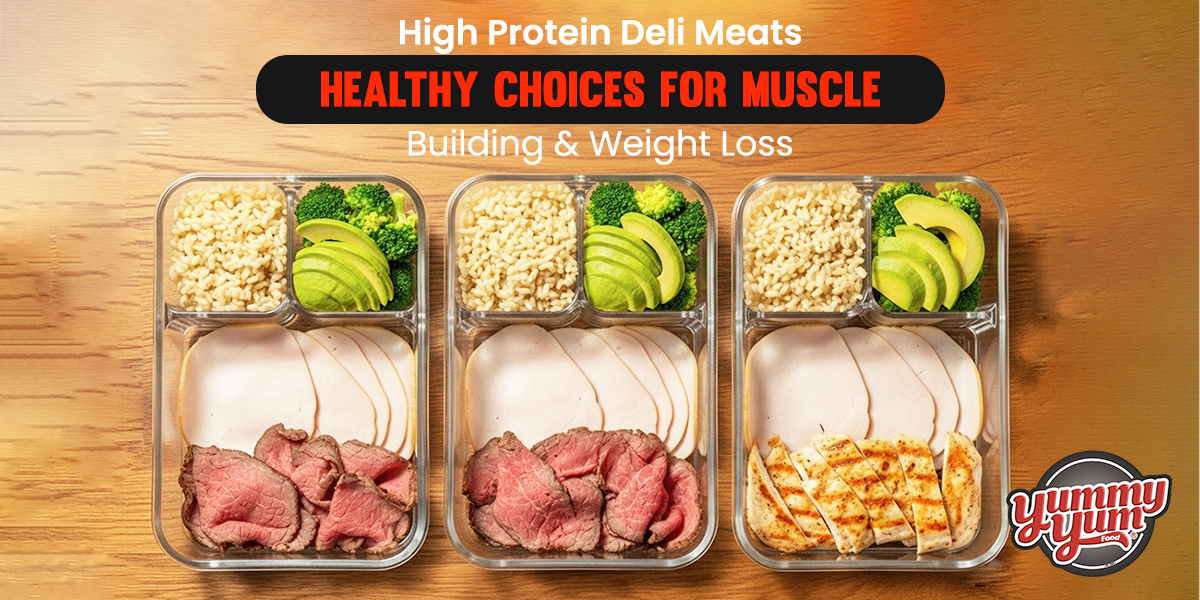
High-Protein Deli Meats: Healthy Choices for Muscle Building & Weight Loss

High-Protein Deli Meats: Healthy Choices for Muscle Building & Weight Loss

High-Protein Deli Meats: Healthy Choices for Muscle Building & Weight Loss

High-Protein Deli Meats: Healthy Choices for Muscle Building & Weight Loss

High-protein deli meats have become a go-to option for fitness-focused people and busy lifestyles. They are quick, convenient, and easy to add to meals without cooking. As more people focus on muscle building and weight loss, the demand for healthy, high-protein deli meat continues to grow.

Protein plays a major role in building lean muscle, supporting fat loss, and keeping you full for longer. However, many shoppers feel confused when choosing deli meats because not all options are equal. Ingredients, fat content, and processing methods can make a big difference. Trusted brands like Yummy Yum Food stand out by offering cleaner, protein-rich choices that support healthy eating goals.

What Are High-Protein Deli Meats?

High-protein deli meats are sliced or prepared meats designed to deliver a higher amount of protein per serving compared to standard deli products. These meats are often made from lean cuts and processed in a way that preserves protein while limiting unnecessary fillers.

Deli meats are typically produced by seasoning whole cuts or ground meat, cooking or curing them, and slicing them for easy use. Protein levels can vary depending on the meat used, fat ratio, and processing method. Standard deli meats often include fillers, while high-protein deli meat options focus on meat-first recipes.

Athletes and people aiming for weight loss prefer the best deli meat for protein because it provides quick nutrition, supports muscle recovery, and fits well into calorie-controlled diets.

Why Protein Matters for Muscle Building & Weight Loss

Protein is essential for repairing and building muscle tissue after workouts. When you consume enough protein, your body can recover faster and grow stronger over time. This is especially important for strength training and active lifestyles.

Protein also helps boost metabolism because it requires more energy to digest than carbohydrates or fats. High-protein foods increase satiety, meaning you feel full for longer and are less likely to overeat. This makes high-protein, low-fat deli meat a smart choice for modern diets focused on weight management.

For active individuals, timing matters too. Including protein throughout the day, especially after exercise, supports muscle repair and steady energy levels.

Benefits of High-Protein Deli Meats

One of the biggest advantages of high-protein deli meats is convenience. They are ready to eat, portable, and easy to include in meals at home or on the go. This makes them ideal for busy professionals, students, and gym-goers.

They also support lean muscle goals by providing consistent protein intake without heavy cooking. During calorie deficits, protein-rich foods help maintain muscle mass and energy.

Key benefits include:

  • High-quality protein in smaller portions

  • Better meal satisfaction and fullness

  • Versatility in sandwiches, wraps, and bowls

Common Problems with Deli Meats

Not all deli meats are created equal, and many low-quality options come with drawbacks. High sodium levels are common, especially in heavily processed products. Some brands use fillers that reduce protein content while increasing calories.

Excess fat can also be an issue, making some deli meats unsuitable for weight loss. Labels can be confusing, with “healthy” claims that do not match the actual nutrition.

Many consumers struggle to find healthy, high-protein deli meat that is clean, transparent, and reliable. This is why understanding labels and choosing trusted brands matters.

How to Choose Healthy High-Protein Deli Meats

Selecting the right deli meat starts with reading nutrition labels carefully. Look for options with high protein per serving and lower fat and sugar levels. Short ingredient lists usually indicate better quality.

Avoid products with artificial preservatives, colors, or unnecessary fillers. Choosing trusted brands like Yummy Yum Food can simplify the process because quality and transparency are consistent.

Smart buying tips:

  • Choose the best high-protein deli meat with simple ingredients

  • Prefer oven-roasted or steamed options

  • Balance deli meats with vegetables and whole foods

Best High-Protein Deli Meat Options

Some deli meats naturally provide better protein-to-fat ratios. Chicken deli meat is one of the most popular choices due to its lean profile and mild taste. Turkey deli meat is another strong option for those seeking low fat and high-protein.

Premium beef deli cuts can also be a good choice when sourced carefully. These options are considered the best deli meat for protein because they deliver satisfying texture and flavor without excessive additives.

Choosing the right option depends on your taste preferences, calorie needs, and fitness goals.

High-Protein, Low-Fat Deli Meat for Weight Loss

When weight loss is the goal, fat content becomes especially important. Lean deli meats help control calorie intake while still providing enough protein to preserve muscle mass.

Portion control also matters. Even healthy deli meats should be eaten in reasonable amounts. Pairing deli meat with fiber-rich foods like vegetables or whole grains improves digestion and keeps meals balanced.

This approach allows high-protein, low-fat deli meat to support sustainable weight loss without feeling restrictive.

High-Protein Deli Meat Sandwich Ideas

A high-protein deli meat sandwich can be both satisfying and healthy when built correctly. Choosing whole-grain or low-carb bread adds fiber and helps manage blood sugar levels.

Adding vegetables like lettuce, tomatoes, and cucumbers increases volume and nutrients without many calories. Light spreads or yogurt-based sauces keep fat levels in check.

These balanced sandwiches are popular among gym-goers who need quick, protein-rich meals between workouts.

Chicken Deli Meat Protein: A Top Choice

The chicken deli meat protein options are widely favored for their excellent protein-to-calorie ratio. Chicken provides lean protein that supports muscle recovery without adding unnecessary fat.

Its mild flavor works well in many dishes, from sandwiches to wraps and salads. Chicken deli meat is especially useful for post-workout meals and weight-loss diets where lean protein is essential.

Best High-Protein Deli Meats for Different Goals

Different fitness goals require slightly different protein strategies. For muscle gain, higher-calorie options with moderate fat may be acceptable. For weight loss, leaner cuts work better.

Those maintaining general health can mix different deli meats to avoid boredom and balance nutrients. Matching protein intake with activity level ensures optimal results without overconsumption.

Why Brand Quality Matters

Brand quality plays a major role in the nutritional value of deli meats. Sourcing, processing, and ingredient choices directly affect protein content and overall health impact.

Premium brands are safer and healthier because they prioritize transparency and consistency. 

Yummy Yum Food focuses on:

  • Clean ingredients

  • Consistent protein content

  • Better taste and texture

This commitment makes it easier for consumers to stick to healthy eating habits.

Where to Buy High-Protein Deli Meats

Buying from trusted online stores offers better access to quality-controlled products. Many people prefer curated brands over generic deli counters because nutrition information is clearer.

Yummy Yum Food is a popular choice due to reliable quality, protein-focused options, and fresh packaging.

How Often Should You Eat High-Protein Deli Meats?

High-protein deli meats can be enjoyed several times a week when balanced with whole food protein sources. Portion size matters, especially for processed options.

Rotating deli meats with fresh meats, eggs, and plant proteins helps maintain dietary variety. Avoiding over-reliance ensures long-term health benefits without nutritional gaps.

Conclusion

High-protein deli meats can be a smart and healthy choice when selected carefully. Protein quality, fat content, and ingredient transparency all matter. Lean options support muscle building and weight loss goals while fitting into busy lifestyles.

Trusted brands like Yummy Yum Food make healthy choices easier by offering clean, protein-packed options. With balance and moderation, deli meats can be part of a nutritious diet without compromise.

Looking for healthy, high-protein deli meats that fit your fitness goals?
Explore premium options from Yummy Yum Food and upgrade your meals with clean, protein-packed deli meats designed for muscle building and weight loss.

Frequently Asked Questions (FAQ)

Q1: Are high-protein deli meats healthy?

  • Yes, when they are low in fat, minimally processed, and eaten in moderation.

Q2: What is the best deli meat for protein?

  • Chicken and lean turkey are among the best high-protein options.

Q3: Can deli meats help with weight loss?

  • High-protein, low-fat deli meat can support weight loss when paired with balanced meals.

Q4: Where can I buy healthy, high-protein deli meat?

  • Trusted brands like Yummy Yum Food offer quality options online.

How to Choose the Best Mortadella Meat? A Complete Buyer’s Guide

How to Choose the Best Mortadella Meat? A Complete Buyer’s Guide

How to Choose the Best Mortadella Meat? A Complete Buyer’s Guide

How to Choose the Best Mortadella Meat? A Complete Buyer’s Guide

Mortadella Meat is a beloved deli choice worldwide. Its smooth texture, mild seasoning, and rich flavor make it perfect for mortadella sandwich meat, platters, and everyday meals. With the growing demand for halal mortadella options, selecting the best Mortadella Meat is essential for flavor, quality, and dietary compliance. Whether you are preparing sandwiches, charcuterie boards, or cooked dishes, the right Mortadella Meat ensures every bite is enjoyable. Trusted brands like Yummy Yum Food offer premium options that elevate meals while meeting halal standards.

What Is Mortadella Meat?

Mortadella Meat is a traditional Italian-style deli meat made from finely ground meat, fat, seasonings, and natural flavorings. Unlike bologna or salami, Mortadella Meat has a delicate, smooth texture and a mild, savory taste. The traditional production process often includes carefully blended spices such as black pepper or nutmeg, and small cubes of fat create a subtle marbling that adds richness to the meat. For halal-conscious consumers, mortadella halal provides an ethically sourced, certified option that meets religious dietary requirements while retaining authentic flavor. This makes it ideal for sandwiches, snacks, or cooked meals where quality matters most.

Why Choosing the Best Mortadella Meat Matters

Selecting the best mortadella meat is more than a matter of taste. High-quality Mortadella enhances meals by providing a consistent texture, rich flavor, and freshness. In sandwiches, its tenderness ensures smooth, even slices, while the balanced seasoning allows the meat to complement other ingredients without being overpowering. Health-conscious and halal-conscious consumers also benefit, as premium Mortadella Meat usually contains fewer additives, preservatives, and artificial colors. Choosing certified halal mortadella ensures both ethical sourcing and peace of mind regarding food safety.

How to Choose the Best Mortadella Meat

When choosing Mortadella Meat, start with the ingredient list. Look for natural, simple ingredients and avoid products with artificial colors, excessive sodium, or unnecessary preservatives. The taste of the meat should be mild and savory, suitable for mortadella sandwich meat, while richer options can be used for platters or cooked dishes. Halal certification is another key factor. Trusted brands clearly label their products to indicate proper sourcing and compliance with halal guidelines. Finally, always purchase from reputable sources such as Yummy Yum Food, which guarantees freshness, consistency, and a high-quality selection of Mortadella Meat.

  1. Check the Ingredient Label
  • Choose Mortadella Meat with natural ingredients.
  • Avoid artificial colors or excessive sodium.
  • Look for whole, high-quality meat rather than fillers.
  1. Verify Halal Certification
  • Only trust mortadella halal-certified brands.
  • Certification ensures proper sourcing, cleanliness, and compliance.
  1. Consider Taste and Use
  • Mild mortadella deli meat is perfect for sandwiches​.
  • Richer, flavorful cuts work well for platters or cooked dishes.
  1. Buy From Trusted Sources
  • Specialty brands like yummy yummy deli provide consistent quality.
  • Freshness matters when buying online or from reliable delis.

Key Characteristics of the Best Mortadella Meat

The best Mortadella Meat starts with high-quality cuts of meat. Whether made from chicken, turkey, or beef alternatives, the meat should be cleanly ground and evenly mixed to ensure a tender texture. Fat distribution plays a critical role in Mortadella’s signature smoothness; uneven fat can make slices greasy or rubbery. The seasoning should be balanced, producing a mild, savory taste that enhances sandwiches, charcuterie boards, and other dishes without being overpowering. Appearance is equally important: a soft pink color and moist texture indicate freshness and quality. The ideal Mortadella Meat maintains a perfect balance of meat, fat, and seasoning, creating an enjoyable eating experience.

Meat Quality

  • Use of premium meats such as chicken, beef, or turkey.
  • Evenly ground and clean cuts.

Fat Balance

  • Proper fat distribution ensures smooth slicing.
  • Avoid greasy or rubbery textures.

Flavor Profile

  • Mild, savory seasoning enhances dishes without overpowering.
  • Consistency in the taste of mortadella meat matters for sandwiches and platters.

Appearance

  • Soft pink hue with no discoloration.
  • Moist, fresh-looking slices.

Benefits of High-Quality Mortadella Meat

High-quality Mortadella Meat elevates every meal. Its rich, savory flavor makes it an ideal choice for mortadella sandwiches, breakfast wraps, and charcuterie boards. Premium Mortadella Meat often contains fewer additives and preservatives, giving you a cleaner, healthier option. For those seeking mortadella halal, quality brands provide ethical sourcing, proper certification, and reliable standards that ensure every bite is safe and delicious. Fresh Mortadella slices enhance sandwiches and cooked dishes alike, delivering a satisfying flavor and texture that cheaper alternatives cannot match.

High-quality Mortadella Meat offers multiple advantages:

  • Better taste in every bite: Perfect for mortadella sandwich meat​ or platters.
  • Versatility: Enjoy in breakfast wraps, pasta dishes, or charcuterie boards.
  • Clean ingredients: Fewer additives and preservatives.
  • Halal assurance: Trusted mortadella halal options for dietary compliance.

Common Problems When Buying Mortadella Meat

Not all Mortadella Meat is created equal. Inconsistent quality across brands can lead to poor texture, excessive fillers, or off-flavors. Some cheaper deli meats may tear easily or have uneven fat distribution, leading to greasy or rubbery slices. Confusing halal labeling is another issue for those seeking certified products. Additionally, mass-produced Mortadella may lack the freshness and tenderness that make premium deli meat so desirable. Recognizing these problems helps consumers make informed decisions when purchasing Mortadella Meat.

How Mortadella Fits into Everyday Meals

Mortadella Meat is incredibly versatile and works in a variety of meals. For sandwiches, it pairs beautifully with cheese, fresh vegetables, and spreads. In wraps and breakfast rolls, thin slices provide flavor and protein without overwhelming other ingredients. Diced or thinly sliced Mortadella Meat can also enhance pasta dishes or act as a key component in charcuterie boards. Its mild, balanced flavor makes it one of the most reliable options for adding protein and taste to everyday meals, which is why it’s considered one of the best meat with mortadella.

Where to Buy the Best Mortadella Meat Online

For those seeking consistent quality and convenience, Yummy Yum Food is a trusted source for Mortadella Meat. The brand offers freshly packed mortadella deli meat with verified halal certification, ensuring both safety and flavor. Shopping at yummyyumfood.com allows you to browse a wide variety of options, from traditional to gourmet styles, and have them delivered directly to your door. Online ordering makes it easy to access premium, best Mortadella Meat selections while avoiding generic or low-quality alternatives.

Why Choose Yummy Yum Food

  • Consistent quality and halal certification.
  • Freshly packed mortadella deli meat with premium options.
  • Easy online ordering at Yummy Yum Food.

Shopping online lets you access the best selection of Mortadella Meat, read reviews, and receive fresh deliveries directly to your door.

How to Store Mortadella Meat Properly

Proper storage ensures that Mortadella Meat retains its flavor, texture, and freshness. Refrigerate immediately after opening and keep the slices in airtight containers to prevent exposure to air and moisture. This protects the delicate texture and prevents spoilage. Following these practices extends the shelf life of Mortadella Meat and maintains its quality for use in sandwiches, wraps, or platters for several days.

Why Mortadella Meat Is a Deli Favorite

Mortadella Meat is a cultural staple, popular for its versatility and flavor. It is used across cuisines, from traditional Italian dishes to modern sandwiches and snacks. Chefs and home cooks alike appreciate Mortadella for its smooth texture, mild seasoning, and ability to complement a wide range of ingredients. With the growing availability of mortadella halal, it has become a favorite among halal-conscious consumers seeking ethical and flavorful deli meat.

Conclusion

Choosing the best Mortadella Meat is essential for enjoying smooth, tender slices with rich, balanced flavor. High-quality mortadella deli meat elevates sandwiches, wraps, platters, and cooked dishes, making every meal more enjoyable. Selecting mortadella halal from trusted brands like Yummy Yum Food guarantees freshness, ethical sourcing, and consistent taste. By reviewing ingredient labels, verifying halal certification, and purchasing from reputable sources, you can ensure your Mortadella Meat meets the highest standards. Invest in premium Mortadella today to elevate your meals and enjoy the authentic flavor and quality that Yummy Yum Food delivers.

Frequently Asked Questions (FAQ)

Q1: What makes Mortadella Meat high-quality?

High-quality Mortadella Meat is defined by premium meat, even fat distribution, balanced seasoning, and freshness.

Q2: Is mortadella halal available online?

Yes, certified halal options are available from trusted brands such as Yummy Yum Food.

Q3: How can I use mortadella sandwich meat?

Use it in sandwiches, breakfast wraps, pan-fried slices, pasta dishes, or platters.

Q4: Where can I buy Mortadella Meat online?

Visit Yummy Yum Food for premium, halal-certified Mortadella Meat options.