
 Cart is empty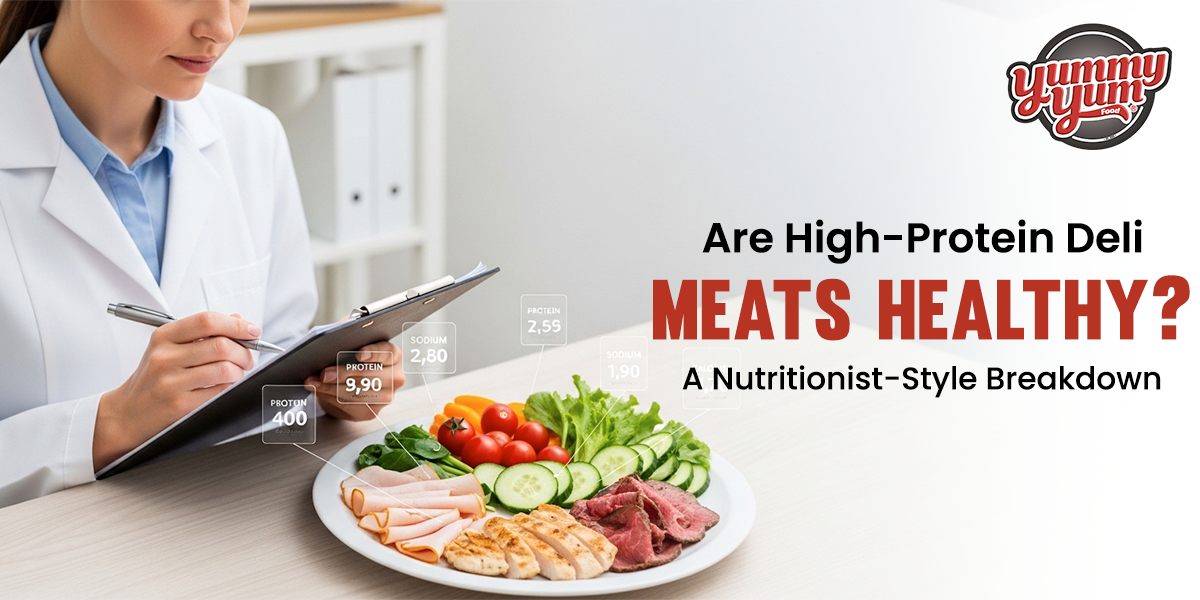
Are High-Protein Deli Meats Healthy? A Nutritionist-Style Breakdown
High-protein deli meats are becoming a popular choice for people who want quick, protein-rich meals. From fitness enthusiasts to busy professionals, more consumers are seeking convenient ways to boost daily protein intake without cooking from scratch.
Protein plays a major role in muscle repair, weight management, and sustained energy. That is why interest in healthy lunch meat options continues to grow. But confusion remains. Are these meats truly healthy, or just cleverly marketed processed foods?
In this nutritionist-style guide, we break down the facts. You will learn how to evaluate high-protein deli meat, what to look for on labels, and how trusted brands like Yummy Yum Food help simplify smart choices.
What Are High-Protein Deli Meats?
High-protein deli meats are sliced meats designed to deliver more protein per serving than standard processed slices. They are typically made from lean sources such as turkey, chicken breast, or lean beef.
Unlike heavily processed products, high-quality deli meats focus on lean cuts, minimal fillers, and balanced seasoning. The protein content usually ranges between 10 and 20 grams per serving, depending on portion size.
Compared to other high-protein meat sources like grilled chicken or steak, deli versions offer convenience. They require no preparation and are ready to eat. However, the nutritional value depends heavily on the brand and ingredients used.
Nutritional Breakdown of High-Protein Deli Meats
Understanding nutrition is key when choosing the best high-protein deli meat. Not all options are equal.
Protein levels are typically strong, especially in turkey- or chicken-based varieties. Lean cuts often provide high protein with lower fat.
Fat content varies. Lean poultry options tend to contain less saturated fat compared to beef-based varieties. Sodium levels, however, can be higher due to preservation methods.
Preservatives such as nitrates or nitrites may be present in some products. This is why checking labels matters.
Key Nutrients to Look For
10–20 g protein per serving
Low saturated fat
Short ingredient list with minimal additives
Micronutrients like iron, zinc, and B vitamins are also commonly found in quality deli options.
Benefits of High-Protein Deli Meats
1. Muscle Support & Recovery
Protein helps repair muscle tissue after exercise. That is why athletes often look for the best meat for protein. High-protein deli meats provide a convenient way to increase daily intake without cooking.
2. Weight Management
Protein increases fullness and reduces cravings. Including high-protein deli meat in meals can help prevent unnecessary snacking.
3. Convenient & Quick Nutrition
Busy lifestyles demand fast options. Pre-sliced deli products offer immediate access to healthy meats without the need for preparation.
4. Portion-Control Friendly
Prepackaged slices help manage calorie intake. This makes it easier to control portions and stay consistent with nutrition goals.
Are High-Protein Deli Meats Considered Healthy Meats?
The answer depends on processing and ingredients. Some healthy deli meat options use minimally processed, lean cuts with reduced sodium. Others may contain high salt and additives.
Fresh-cooked poultry is usually the gold standard for whole-food nutrition. However, well-sourced, high-protein deli meats can still be considered healthy when consumed in moderation.
Transparency is key. Brands that clearly display protein levels, sodium content, and ingredient lists help consumers make informed decisions.
Common Problems with High-Protein Deli Meats
Many shoppers face challenges when choosing meat in deli sections.
High sodium levels in some products
Added preservatives such as nitrates
Misleading “high-protein” marketing claims
Difficulty identifying reliable deli meat brands
These issues create confusion between truly healthy deli meat and heavily processed alternatives.
How to Choose the Best High-Protein Deli Meat?
Smart selection makes all the difference.
What to Check on the Label
Protein content per serving
Sodium levels
Ingredient list length
Smart Buying Tips
Choose lean turkey or chicken.
Avoid overly processed meat in deli displays.
Select trusted brands like Yummy Yum Food.
Look for balance. A slightly higher price often reflects better sourcing and cleaner ingredients.
High-Protein Deli Meat vs Other High-Protein Meat Sources
Fresh grilled chicken provides excellent nutrition but requires preparation. Canned tuna is high in protein but may lack a fresh appeal. Lean beef delivers iron but often contains more fat.
Plant-based protein options are growing in popularity. However, for many consumers, traditional high-protein meat remains a practical solution. Deli meat shines in convenience. Fresh cooking wins in whole-food purity. The best choice depends on lifestyle and time availability.
Who Should Eat High-Protein Deli Meats?
High-protein deli meats can be helpful for:
Fitness enthusiasts building muscle
Busy professionals with limited cooking time
Students needing quick meals
Individuals managing weight
Anyone who is increasing daily protein intake.
Moderation is important. Rotating protein sources ensures nutritional balance.
Best High-Protein Deli Meat Options
Lean turkey breast is one of the most popular options. It is low in fat and high in protein. Grilled chicken slices offer a clean flavor and a high protein content. Lean roast beef provides iron and a bold taste, though sodium levels should be monitored. Low-sodium varieties are ideal for heart-conscious consumers. The best high-protein deli meat balances protein, moderate sodium, and minimal additives.
Healthy Lunch Ideas Using High-Protein Deli Meat
A protein-packed sandwich on whole-grain bread with fresh vegetables makes a balanced meal. Salad bowls topped with high-protein deli meat add lean protein without heavy calories. Lettuce wraps reduce carbohydrates while keeping protein high. Snack roll-ups using turkey slices and cheese offer quick, satisfying bites.
Best Deli Meat Brands to Consider
Reliable deli meat brands focus on quality sourcing and transparent labeling. They prioritize controlled processing and clear ingredient lists.
Yummy Yum Food stands out for:
Clean ingredients
Balanced nutrition
Trusted quality standards
When choosing among deli meat brands, consistency and transparency matter most.
Are High-Protein Deli Meats Safe for Daily Consumption?
From a nutritionist’s perspective, daily consumption can be acceptable if sodium intake is monitored. Balancing deli meats with fresh protein sources, such as grilled chicken or fish, helps maintain dietary diversity.
Limiting overly processed varieties reduces long-term risks. Choosing high-quality options makes regular consumption safer.
Frequently Asked Questions
Q1: Are high-protein deli meats good for weight loss?
Yes, if they are lean and moderate in sodium, they can support satiety and calorie control.
Q2: What is the best high-protein deli meat?
Lean turkey or chicken with minimal additives is often considered the best option.
Q3: Are deli meats high in sodium?
Some are. Always check labels before buying.
Q4: How often can I eat healthy deli meat?
In moderation, alongside fresh protein sources.
Q5: Which deli meat brands are healthiest?
Brands focusing on clean ingredients and transparency, such as Yummy Yum Food, are strong choices.
Final Verdict
High-protein deli meats can be healthy when chosen wisely. The key is checking protein levels, limiting sodium, and avoiding unnecessary additives.
They offer unmatched convenience and practical nutrition. However, balance remains essential. Combine deli options with whole foods for optimal results.
Choosing reliable brands like Yummy Yum Food simplifies the process and supports healthier eating habits.